Crash Engine Vehicle Types and Choices
Match chassis personality to ramps, derby pads, highways, and mountain routes.
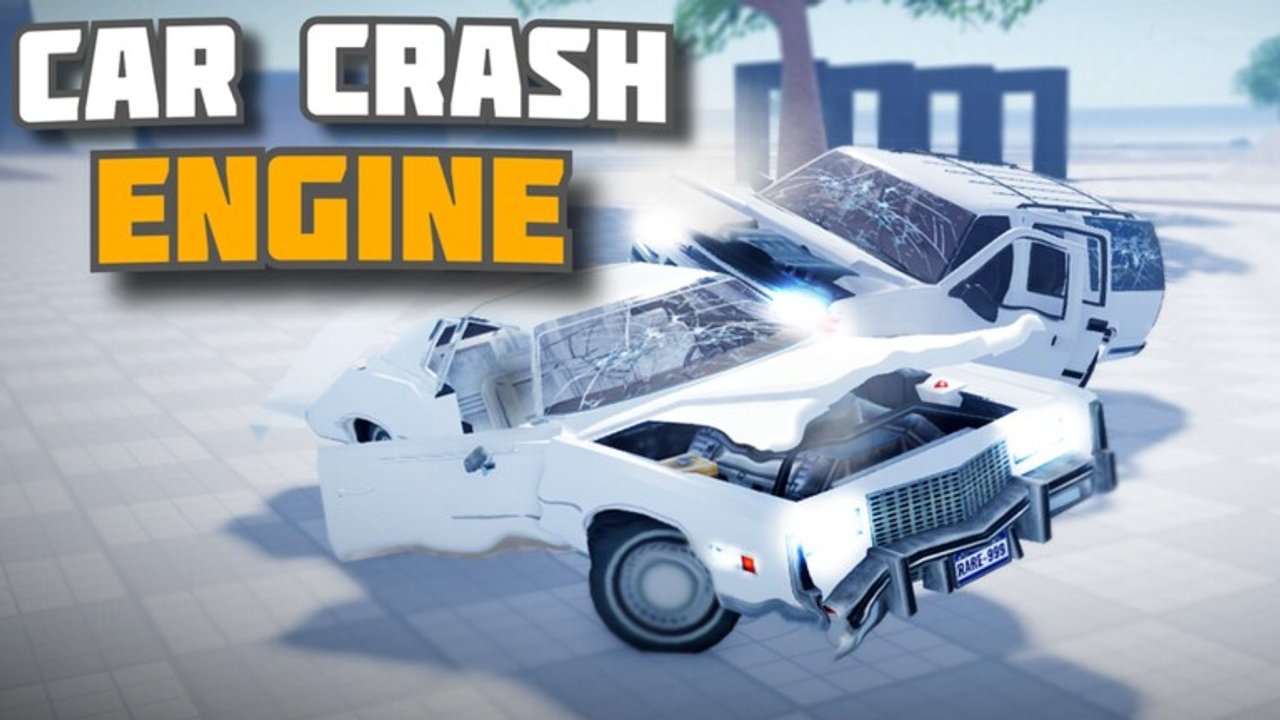
Car Crash Engine is a vehicle-first Roblox sandbox. This Vehicles guide explains how car types behave in soft-body play so you can choose with intent instead of rolling the spawn menu forever. Pair it with letter ranks on Best Cars and the overview on the Players Hub.
INGameWorks Studio built the experience around semi-realistic deformation inspired by BeamNG-style crashes. Activities called out in the official fantasy include stunt ramps, wall smashes, mountain descents, train stops, suspension tests, off-roading, highway races, drifts, demolition derby, and roleplay. Your garage should cover that spread - not a single god car.
Vehicle type families
Compact and sports coupes
Short, low, eager to rotate. Ideal for drift entries, precise ramp centering, and camera-friendly flips. Soft-body payoff is high: panels fold with drama. Weakness: side impacts and derby scrums end runs early. Warm up on Controls before taking them to full highway speed.
Sedans and GT comfort cars
The teaching fleet. Stable highway tracking, predictable braking, and enough mass to show crumple without instant total loss. If you are following Getting Started, live here for your first evenings. They also double as roleplay daily drivers when the server wants convoys instead of carnage.
Crossovers and light trucks
Extra ride height and a taller center of gravity. Excellent for off-road approaches, broken shoulders, and mountain compression tests. They roll more willingly than sedans if you crest blindly, so manage throttle on ridges. Durability is often above-average for continued driving after a messy landing.
Heavy work bodies, vans, and long trucks
Momentum monsters. Useful when you want to shove derby opponents or experiment with train-stop mass from Crash Physics. Steering is slower; plan entries earlier. Spectacular when they jackknife, less fun when you needed a last-second ramp correction.
Novelty and specialty spawns
Odd proportions, extreme overhangs, or joke cars. Keep them for creative clips, parking-lot roleplay, and physics education. Check Maps and Modes for spaces where novelty cars will not constantly block serious stunt queues.
How to choose in five questions
- Solo clip or full server? Solo favors spectacle coupes; busy servers favor durable mid-weights.
- Flat prop or elevation? Flat walls love sports shapes; elevation loves crossovers.
- Need a second stunt after the hit? Prioritize durability over maximum fold.
- Filming interior or chase cam? Stable GTs keep the frame cleaner than twitchy toys.
- Practicing a new line? Use a forgiving sedan, then reshoot in the specialist.
Write your answers in chat with friends before everyone spawns randomly. Shared intent produces better pileups.
Soft-body traits to feel on purpose
| Trait | Practice drill |
|---|---|
| Front crumple | Square wall tap at rising speeds |
| Side fold | Shallow angle barrier kiss |
| Rollover threshold | Handbrake + ramp lip at moderate speed |
| Suspension travel | Repeating whoops / off-road crest |
| Post-crash steering | Drive 50-100 meters after a medium hit |
These drills teach the car faster than free roam wandering. They also make tier debates concrete when you revisit Best Cars.
Multiplayer vehicle etiquette
Servers cap near 25 players. Do not trap the only ramp with a flipped heavy truck for ten minutes. Rotate wreck clears when possible. In roleplay zones, match the vibe - spawning a demolition missile into a parked meetup is how sessions fracture.
If someone is filming, give them one clean take. Soft-body games double as content tools; courtesy keeps servers lively.
Progression without a pay-to-win ladder
Car Crash Engine is free and sandbox-led. Progression means expanding the set of cars you can pilot well, not unlocking a hidden damage stat. A practical personal ladder:
- Master one sedan on highway and wall taps.
- Add one coupe for stunts.
- Add one crossover for mountains / off-road.
- Add one heavy body for derby / momentum experiments.
- Sprinkle novelty cars for variety nights.
When the studio ships more cars (and eventually experiments with planes or boats per public notes), repeat the ladder instead of abandoning fundamentals. Track roster changes on the Updates Hub and keep official links handy on the Links Hub.
Pairing vehicles with maps
- Stunt ramps - Coupes first, sedans for learning center lines.
- Highway races - GT/sedan for control; coupe for finish-line wrecks.
- Demolition derby - Mid-weight durable or light truck.
- Mountain descents - Crossover, then heavy body for chaotic variants.
- Suspension tests - Tall vehicles; avoid scraping ultra-low sports cars.
- Roleplay lots - Sedans and novelty cars.
Related reading
Return to the Players Hub after you shortlist types, compare ranks on Best Cars, and stage hits with Crash Physics. Skip risky injectors - see the Scripts Hub only for safety context.
Choose the body that matches the story you want the crumple to tell, then go tell it on the map.
Frequently Asked Questions
Quick answers about codes, cars, controls, and soft-body crashes.
What vehicle should I spawn first as a new player?
Start with a sedan or GT comfort car for predictable control, then add a coupe and a crossover once basics feel natural.
Which vehicle type is best for demolition derby?
Mid-weight durable all-rounders and light trucks usually survive scrums better than fragile sports coupes.
Where are the S/A/B/C rankings?
Open the Best Cars tier list for letter grades after you understand type differences on this page.
Do heavier cars always win crashes?
No. Heavier cars add momentum and shove, but slower rotation and different crumple can hurt precision stunts and filmed flips.