Crash Engine Soft-Body Crash Physics
Crumple, angles, descents, and train-stop setups that make every wreck intentional.
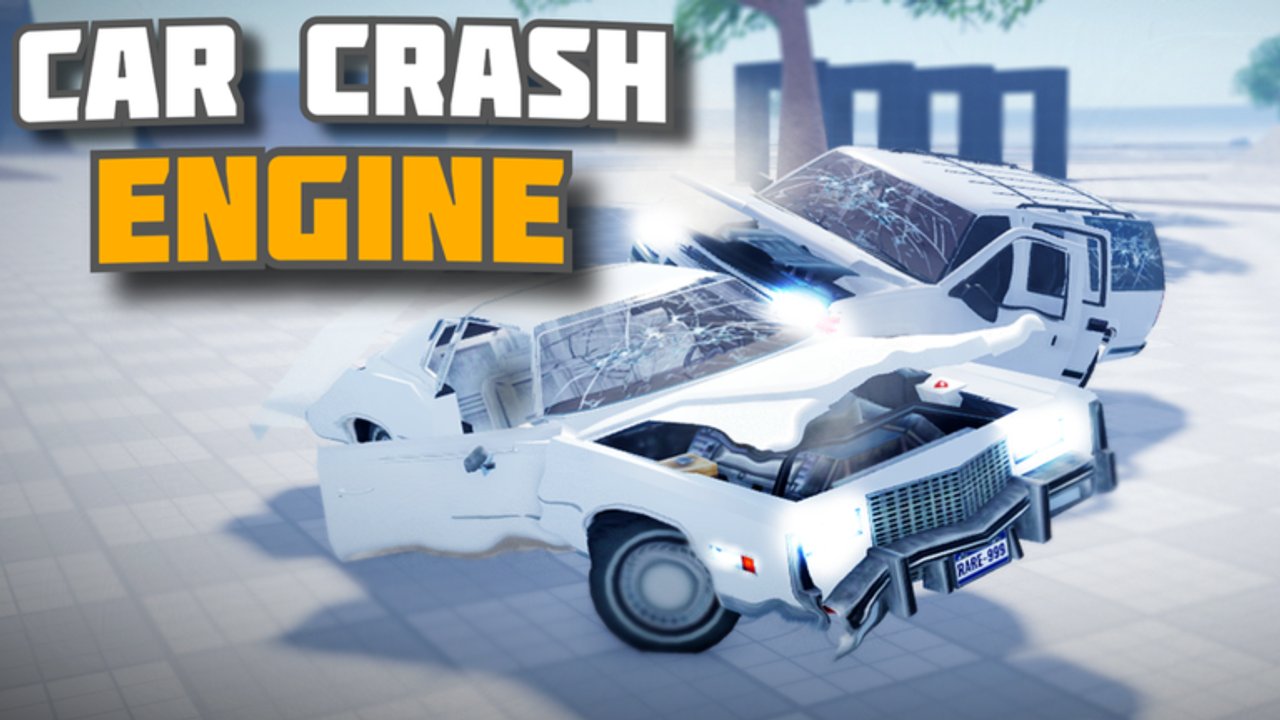
Car Crash Engine exists for the moment a car stops being a rigid toy and starts behaving like folded metal. This Crash Physics guide explains how to think about soft-body crumple, why impact angle often beats raw speed, and how to stage mountain descents and train-stop attempts without wasting every spawn. It assumes you already know basic driving from Controls and the day-one loop in Getting Started.
The experience is INGameWorks Studio’s Roblox sandbox inspired by BeamNG.drive-style deformation (the page references “beamgdrive�?. Vehicles bend, compress, and lose composure based on where force enters the body—not on a single health bar.
Soft-body crumple in plain language
In rigid games, a hit either bounces you or deletes a tire. In soft-body sandboxes:
- Energy travels through connected structures.
- Corners and overhangs deform first on glancing blows.
- Square front hits shorten the nose and can jam steering.
- Side hits fold doors and shift the center of mass.
- Undercarriage scrapes after landings change how the next turn feels.
Your job is to choose the entry condition: speed, angle, surface, and which car from Vehicles is taking the punch.
Impact angles that teach faster
| Angle | What you usually see | Best practice use |
|---|---|---|
| 0° square | Strong front crumple, abrupt stop | Measuring durability ladders |
| 20�?0° glance | Sliding fold, spin potential | Filmed wall rides and sparks |
| T-bone (~90°) | Cabin / side collapse, big derby energy | Multiplayer pileup entries |
| Rear bump | Unexpected yaw, chain reactions | Highway traffic chaos |
| Vertical compression | Suspension squash, belly scrapes | Ramp landings, cliff bottoms |
Rule: pick the angle on purpose before you floor it. Random full-throttle charges produce noise; angled setups produce stories.
Speed is a dial, not a flex
Too little speed and the mesh barely nods. Too much and you skip the prop, fly past the camera, or invert before the fold reads. Build a personal ladder on one wall:
- Crawl tap �?confirm contact point.
- Medium smash �?watch primary crumple.
- High-energy hit �?only after you can still aim the medium one.
Record which rung still leaves the car drivable. That number informs whether you want an S-tier spectacle coupe or a durable derby body from Best Cars.
Mountain descents
Mountain routes combine gravity, compression, and panicked steering. Approach them like a staged stunt:
- Scout the line in a forgiving crossover (see vehicle types).
- Brake before the steepest pitch; do not discover the cliff at max speed.
- Keep the nose pointed where you want the first major impact.
- Accept that secondary bounces will rewrite your steering—micro-correct, do not yank full lock.
- After the big compression, pause and evaluate: continue, reset, or film the wreck as the finale.
Descents pair well with taller vehicles for the approach and lighter cars if you specifically want cartwheel spectacle at the bottom. Map context lives in Maps and Modes.
Stop a train �?respect the mass
“Trying to stop a train�?is one of the fantasy bullets on the official experience description. Treat it as a momentum puzzle, not a fair duel.
- Heavier bodies give you a more honest shove attempt.
- Line up early; last-frame swerves miss entirely.
- Square contact dumps energy into crumple quickly—expect your car to lose.
- Glancing contacts may deflect you into a second prop; decide if that is part of the joke.
- Clear the area of players who did not opt into the bit.
Success is often measured in comedy and deformation quality, not in literally parking rolling stock. If a patch changes train collision, re-check notes on the Updates Hub.
Suspension tests and off-road compression
Suspension tests are soft-body’s quieter cousin. Whoops, ditches, and crest jumps show whether the car bottoms out, kicks sideways, or stays composed. Use them to learn a chassis before you trust it on a filmed ramp. Off-road routes punish ultra-low sports cars and reward light trucks—choose accordingly.
Derby physics vs stunt physics
Demolition derby is multi-axis chaos: you are both projectile and target. Prioritize durability and short recovery times. Stunt ramps are single-decision theater: prioritize aim and camera. Mixing the mindsets causes most failed takes—someone drives a glass coupe into a 10-car pad and wonders why the montage died in three seconds.
Ragdoll and future physics notes
Studio messaging calls out ragdoll improvements and more vehicles over time. Ragdoll changes can alter how occupants (and cameras) behave after violent stops. When those land, revisit your favorite descent and derby pad before assuming old timings still hold.
Practice circuit (20 minutes)
- Three square wall hits at rising speed.
- Three glancing wall hits with handbrake entry.
- Two ramp centerlines with planned landing nose direction.
- One controlled mountain approach abort (brake out on purpose).
- One committed descent or derby dive as the finale.
This circuit builds intentional wrecks faster than free roam. Skip unauthorized scripts; physics literacy beats injectors, and the Scripts Hub exists only to warn you about account risk.
Related pages
Tighten inputs with Controls, pick locations via Maps and Modes, and choose bodies with Vehicles. Official context sits on the Links Hub.
Aim the force, then enjoy the fold.
Frequently Asked Questions
Quick answers about codes, cars, controls, and soft-body crashes.
Why do angled hits often look better than head-on smashes?
Glancing angles create sliding folds, yaw, and longer visible deformation, while pure head-ons can end too abruptly for the camera.
What car should I use for mountain descents?
Start with a crossover or light truck for stability on the approach, then experiment with lighter cars if you want more rollover spectacle at the bottom.
Can I actually stop the train?
Treat train stops as momentum experiments. Heavier cars and square early alignment help, but the comedy crumple is usually the real reward.
How do updates affect crash physics?
Physics, ragdoll, and vehicle changes can shift crumple feel. Re-test your wall ladder and favorite descent after notes appear on the Updates Hub.